
Long before oud found its way into glass bottles on a dressing table, it was smoke curling through temples, courts and trading posts across Asia and the Middle East. Few ingredients in perfumery carry as much history, or as much mystery, as this dark, resinous wood. To understand why oud still commands such devotion today, it helps to look at where it came from and why it became so rare in the first place.
Where Oud Actually Comes From
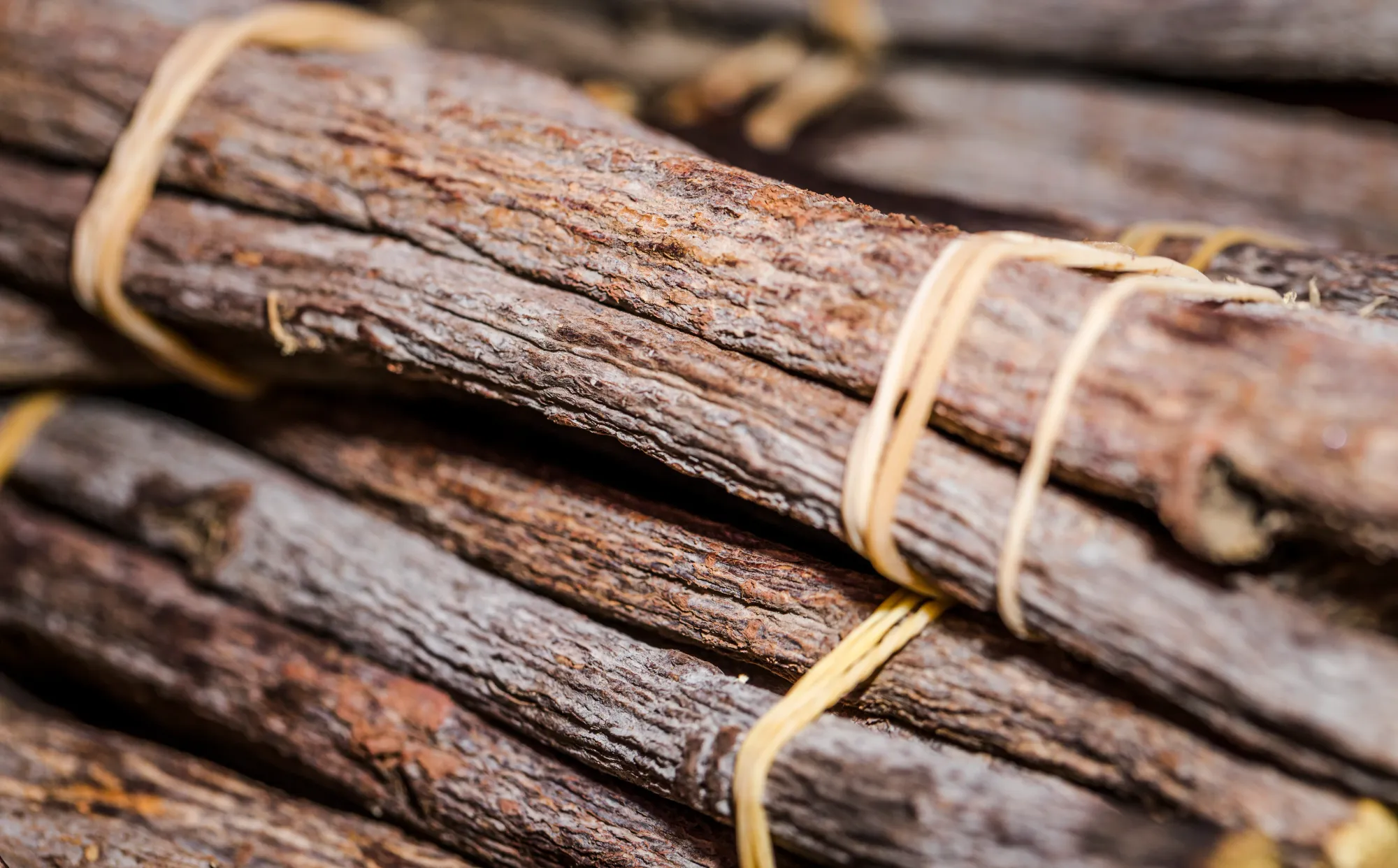
Oud is not a plant extract in the way lavender or rose is. It forms inside the Aquilaria tree as a defence response. When the tree is wounded or infected by a particular mould, it produces a dark, fragrant resin to seal and protect itself. Over years, sometimes decades, that resin saturates the heartwood, transforming an otherwise unremarkable tree into something extraordinarily valuable. Only a small percentage of wild Aquilaria trees ever develop resin dense enough to be harvested, which is part of why oud has always sat at the luxury end of perfumery rather than the everyday end.
This scarcity is not just folklore. Aquilaria species are recognised as vulnerable in the wild, and international trade in them is regulated. For readers who want the formal detail, CITES Appendix II sets out the protections in place for the genus, which is one of the reasons responsible sourcing matters so much in this category.
A Scent With a Very Long Résumé
Oud has been burned, worn and traded for well over a thousand years. Traders carried it along routes connecting South and Southeast Asia to the Middle East, where it became woven into religious ceremony, hospitality and personal adornment. Its association with wealth and status was never accidental. A material this difficult to produce, and this labour intensive to harvest, was always going to end up reserved for special occasions rather than daily wear, at least until modern extraction and blending techniques made it more accessible.
For readers who want a fuller picture of how the wood becomes the fragrance material we recognise today, YOUDH's deep dive into what oud actually is walks through the harvesting and ageing process in more detail.
Why the Scent Itself Is So Divisive
Oud rarely leaves people neutral. Depending on the source wood, its age and how it has been processed, oud can smell woody and smoky, leathery and animalic, or sweet and slightly medicinal all at once. That complexity is exactly what perfumers prize. A single drop can carry more depth than an entire bottle of something lighter, which is why oud is so often used sparingly, as a base note that anchors a fragrance rather than defines every top note.
This is also why so many newcomers to the category find their first encounter surprising. Oud does not behave like a citrus or a floral. It develops slowly on the skin, changes over the course of a day, and tends to reward patience over instant impact. Anyone genuinely curious about the allure of oud scent and what makes it so distinct from more familiar fragrance families will find that depth is really the whole point.
From Rare Resin to Modern Bottle
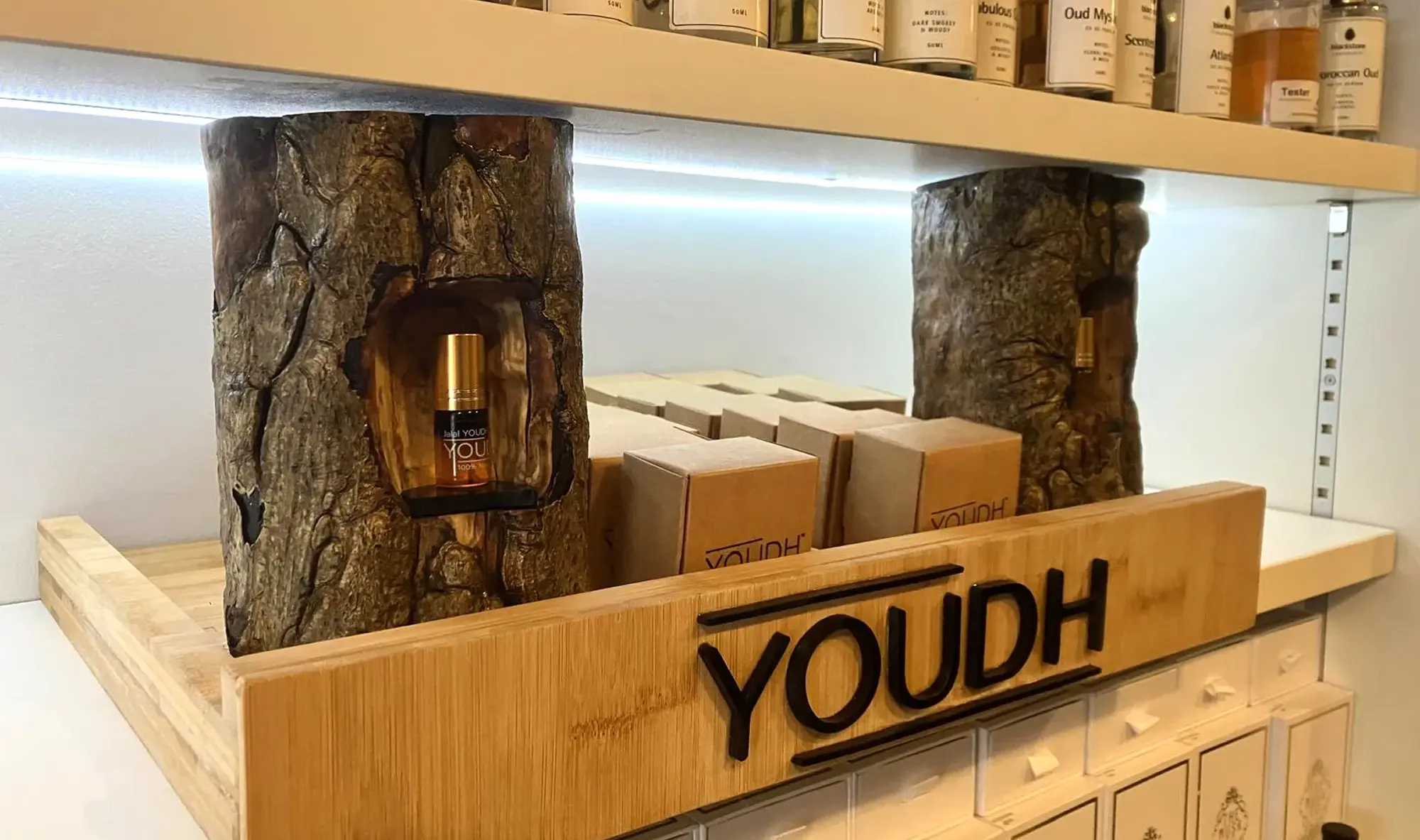
The biggest shift in recent decades has been accessibility. Sustainable cultivation, careful distillation and thoughtful blending have made it possible to bring oud into everyday fragrance without relying purely on scarce wild wood. This matters both ethically and practically. It means the scent that once required royal connections or serious trading relationships can now sit in a modern wardrobe, provided the brand behind it is transparent about sourcing and production.
That shift has also changed who wears oud and how. It is no longer confined to ceremonial or occasion-only use. Blended thoughtfully, oud works as a daily signature scent, layered under lighter notes for warmth or worn on its own for something with more presence. What has not changed is the craft required to get the balance right. Poorly handled oud can smell harsh or overpowering, while a well-composed blend keeps its complexity without ever feeling heavy-handed.
What to Look For if You Are New to Oud
If you are exploring oud for the first time, a few things are worth paying attention to. Ask where the wood or oil originates, since sourcing affects both quality and ethics. Look for brands that are transparent about whether a fragrance is a natural extraction, a synthetic reconstruction, or a blend of both, as this affects both scent character and price. And be prepared for oud to smell different in the bottle than it does an hour into wear, since this is one of the most evolving materials in perfumery rather than one of the most static.
It is also worth thinking about how oud is meant to be worn before you buy. Some blends are built to be applied directly to skin, where body heat draws out the warmer, resinous facets over several hours. Others are formulated as room or fabric scents, designed to sit lightly in the air rather than develop against skin chemistry. Knowing which category a bottle falls into before you commit will save a fair amount of trial and error, particularly with a material as concentrated as this one.
Skin sensitivity is another practical consideration that often gets overlooked. Traditional oud oil can be intense in its undiluted form, and some processing methods rely on alcohol as a carrier, which is not ideal for anyone with sensitive skin. Alcohol-free, pH-balanced formulations exist precisely to make this category more wearable day to day, without losing the depth that makes oud worth seeking out in the first place.
Oud's journey from temple incense to modern fragrance shelf has taken centuries, several trade routes and no small amount of botanical luck. That history is worth knowing before you ever put a drop on your skin, because it explains why this particular scent has never quite been replaced, only reinterpreted.
Work produced and reviewed by the News Vortix editorial desk. Every piece published under this byline has been checked against our accuracy, sourcing and disclosure standards before going live. Corrections and enquiries are welcome and are handled by the desk directly.
View all posts by News
